The war in ukraine, which intensified dramatically in 2022, has not only reshaped geopolitical landscapes but has also profoundly affected everyday life, including education. As conflict disrupts communities and forces millions to flee their homes, the resulting challenges to educational systems are significant and multifaceted. This article explores how the war in Ukraine has influenced education within the country and internationally, illustrating the broader societal impacts and shedding light on efforts to adapt and rebuild.
The War in Ukraine: A Brief Overview
Before diving into the educational impacts, it’s important to understand the context. The war in Ukraine began in 2014 with the annexation of Crimea by Russia and escalated into full-scale conflict in February 2022 when Russian forces launched a large invasion across multiple fronts. The ensuing violence led to widespread destruction of infrastructure and displacement of millions of Ukrainians.
This ongoing conflict has had a devastating humanitarian toll and disrupted nearly every aspect of normal life, including the functioning of schools, universities, and other educational institutions.
Disruption of Education in Ukraine
Physical Damage to Schools and Infrastructure
One of the most immediate impacts of the war in Ukraine on education has been the destruction or severe damage to schools. Bombings, shelling, and ground fighting have damaged educational buildings, sometimes rendering them unsafe or unusable. For example, in cities like Mariupol and Kharkiv, many schools have been destroyed or repurposed as shelters, limiting access to learning environments. Online education and courses
Even in areas less directly affected by combat, the threat of attacks or local instability has forced schools to close intermittently or permanently, interrupting student attendance and educational progress.
Displacement and Access to Education
The war has resulted in one of the largest refugee crises in recent European history. Over 7 million Ukrainians have fled abroad, and many others have been internally displaced. This mass movement creates enormous challenges for children and young adults trying to continue their education.
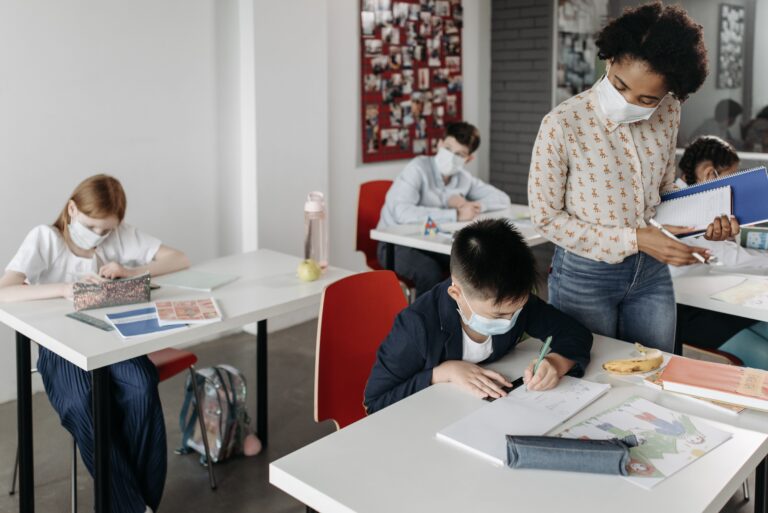
In displacement camps or temporary accommodations, access to structured education can be limited. Language barriers, lack of resources, and psychological trauma further complicate learning for displaced children. Countries hosting Ukrainian refugees, such as Poland, Germany, and Romania, have had to rapidly adapt their education systems to integrate these students.
Loss of Teachers and Educational Personnel
Teachers and school staff have also been affected — through displacement, injury, or conscription. The shortage of trained educators hampers the ability to maintain quality education, especially in conflict zones or refugee communities.
Moreover, the psychological toll on educators mirrors that on students, with many facing stress, anxiety, and burnout, which can impact teaching quality and student support.
Adapting Education Amid Conflict
Online and Remote Learning Initiatives
To mitigate the disruption, Ukraine and international partners have invested in online and distance learning platforms. These platforms have provided critical continuity when physical schools are inaccessible or unsafe.
For instance, the Ukrainian Ministry of Education launched virtual classrooms and digital resources, supported by organizations such as UNICEF and the UNHCR, to reach displaced students and those in conflict zones.
However, access to technology and reliable internet remains a challenge, especially in rural or war-damaged areas, limiting the reach of these initiatives.
International Support and Educational Programs
Many global organizations have stepped in to support Ukrainian education. These include UN agencies, NGOs, and foreign governments that provide funding, school supplies, trauma counseling, and teacher training.
Programs to integrate Ukrainian students into host countries’ education systems have also been critical. Some countries offer bilingual classes or special tutoring to bridge language gaps and help refugee children catch up academically.
Psychosocial Support
Recognizing the trauma caused by war, educational efforts increasingly include psychosocial support to help children cope with stress and loss. Schools and organizations provide counseling, peer support groups, and activities designed to foster resilience and emotional well-being.
Long-Term Educational and Societal Implications
Generational Impact of Interrupted Education
Disruptions caused by the war in Ukraine risk creating a “lost generation” if educational gaps persist. Prolonged absence from school can diminish literacy, numeracy, and critical skills, which affect future employment prospects and economic recovery.
Ensuring sustained access to education is critical not only for individual development but also for Ukraine’s national rebuilding and long-term stability.
Potential for Educational Reform
The crisis has also prompted reflection on the resilience and flexibility of education systems. Ukraine’s education ministry has signaled intentions to modernize curricula, incorporate digital learning more robustly, and improve teacher training.
This reform momentum, supported by international expertise and aid, could provide opportunities for a stronger, more inclusive education system post-conflict.
Impact on Global Education Awareness
The conflict has drawn global attention to the vulnerability of education in war zones and the importance of protecting schools. It has reinforced international calls to uphold the UN’s Safe Schools Declaration, which seeks to prevent attacks on education during armed conflict.
Lessons learned from the war in Ukraine may influence policies and humanitarian responses in other conflict-affected regions worldwide.
Conclusion
The war in Ukraine has dramatically disrupted education, affecting millions of children and educators both within the country and across borders. Despite enormous challenges, adaptive measures like remote learning and international cooperation offer hope for continuity and recovery.
Understanding these impacts highlights the critical role of education in sustaining communities during crises and building a peaceful future. Continued support, innovative solutions, and global solidarity remain essential to ensure that the war does not rob a generation of their right to learn and grow.
Frequently Asked Questions
How has the war in Ukraine affected school attendance?
Many schools have been destroyed or closed due to safety concerns, leading to significant interruptions in attendance. Displacement caused by the war also means many children cannot attend their regular schools, resulting in gaps in education.
What measures have been taken to support displaced Ukrainian students?
Host countries have implemented programs to integrate Ukrainian children into their education systems, including language support and tailored curricula. International organizations have provided digital learning platforms and psychosocial support to aid displaced students.
Is online learning effective in conflict zones like Ukraine?
Online learning has been a crucial alternative where physical schools are inaccessible. While it helps maintain continuity, its effectiveness depends on access to technology and stable internet, which can be challenging in war-affected areas.
What are the long-term consequences if education disruption continues?
Prolonged educational disruption can lead to lower literacy and skill levels, limiting future employment and economic recovery. It may contribute to broader social instability and hinder national rebuilding efforts.
How can the international community help improve education during and after the war?
International support through funding, resources, and expertise is vital. Advocacy for protecting schools during conflicts, rebuilding infrastructure, supporting teachers, and providing psychosocial care are key ways to help sustain and improve education for affected populations.
About the Author