Drones, or unmanned aerial vehicles (UAVs), have transformed from niche gadgets to essential tools across diverse industries. The latest drone news reveals rapid advancements in technology, innovative applications, and evolving regulations that are reshaping how these flying machines impact our lives. This article explores key developments in drone technology, highlights groundbreaking use cases, discusses regulatory trends, and examines what lies ahead for drone enthusiasts and professionals alike.
Advancements in Drone Technology: What’s New?
Recent years have seen a surge in drone innovation, driven by improvements in hardware, software, and artificial intelligence (AI). These advancements boost drone capabilities, enabling safer, smarter, and more efficient operations.
Improved Battery Life and Flight Range
One of the biggest challenges for drones has been limited battery life. However, new battery technologies such as lithium-silicon and solid-state cells promise significantly longer flight times. Several manufacturers now offer drones that can stay airborne for over 45 minutes, a notable improvement compared to the typical 20-30 minutes just a few years ago. Coupled with enhanced energy-efficient motors, these innovations allow drones to cover greater distances without interruption.
AI and Autonomous Flight Systems
Artificial intelligence integration has revolutionized drone navigation and autonomy. Modern drones are equipped with obstacle avoidance systems powered by machine learning algorithms, allowing them to fly safely in complex environments. Autonomous flight modes enable drones to perform preprogrammed routes or respond dynamically to new data, reducing the need for manual piloting and expanding commercial applications. For example, in agriculture, drones autonomously scan crops to detect diseases and provide precision spraying.
Enhanced Imaging and Sensor Suites
Cutting-edge drones now feature sophisticated cameras, including 4K video, thermal imaging, multispectral sensors, and LiDAR technology. This sensor diversity enables drones to capture detailed visual data for uses ranging from filmmaking and real estate to industrial inspections and environmental monitoring. Thermal imaging is particularly valuable in search and rescue missions and energy audits.
Emerging Drone Applications Changing Industries
The latest drone news highlights how these flying devices are expanding beyond recreational use to become vital tools in industry and public service. Technology on Wikipedia
Delivery and Logistics
Companies like Amazon, UPS, and various startups are actively testing drone delivery systems to expedite last-mile logistics. Drones can swiftly transport packages, medical supplies, and food, especially to remote or inaccessible regions. For example, Zipline’s drone network in Africa delivers blood and vaccines to rural clinics, saving lives by circumventing poor road infrastructure.
Infrastructure Inspection and Maintenance
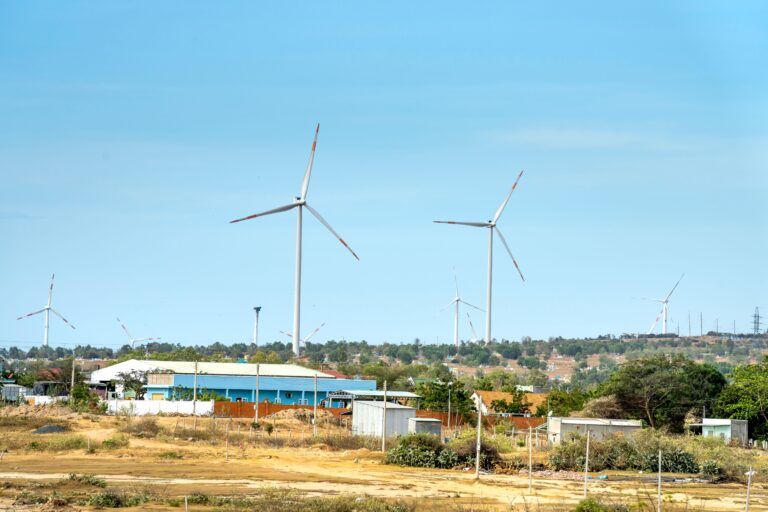
Drones equipped with high-resolution cameras and sensors are increasingly used to inspect infrastructure such as bridges, power lines, and wind turbines. This approach reduces human risk and inspection times while providing detailed data that can predict maintenance needs before failures occur. Utility companies worldwide are adopting drones for pipeline monitoring and power grid surveillance.
Environmental Conservation and Research
Drone technology aids wildlife preservation by enabling non-intrusive monitoring of endangered species and tracking deforestation. Researchers deploy drones to collect data on climate change impacts, forest health, and ocean conditions. These insights inform conservation efforts and policy-making with greater precision and scope than traditional ground surveys.
Regulatory Landscape: Navigating Drone Laws and Safety
As drones become more widespread, governments grapple with regulations to ensure safety, privacy, and security without stifling innovation.
FAA and International Regulations
In the United States, the Federal Aviation Administration (FAA) continues to update drone regulations addressing registration, pilot certification, and operational limits. The introduction of the Remote ID rule requires drones to broadcast identification to facilitate law enforcement monitoring. Globally, regulatory bodies in Europe, Asia, and Australia are harmonizing rules to accommodate cross-border drone operations, with frameworks emphasizing pilot training, airspace integration, and privacy protections.
Urban Air Mobility and Drone Traffic Management
As drones increase in number, managing low-altitude airspace becomes critical. Researchers and policymakers are developing Unmanned Traffic Management (UTM) systems that coordinate drone flights to prevent collisions and airspace conflicts. These systems integrate real-time data, geofencing, and communication protocols, laying the foundation for safe urban air mobility—potentially including passenger drones in the near future.
The Future of Drones: Trends to Watch
Looking ahead, the drone landscape promises transformative possibilities fueled by ongoing technological breakthroughs and expanding commercial adoption.
Integration with 5G and IoT
The rollout of 5G networks will enhance drone connectivity with ultra-low latency and high bandwidth, enabling real-time HD video streaming, improved autonomous control, and expanded Internet of Things (IoT) integration. Drones can become mobile data hubs, gathering and transmitting information that supports smart city infrastructure, disaster response, and public safety.
Swarm Technology and Collaborative Drones
Swarm robotics, where multiple drones coordinate to perform tasks cooperatively, is gaining traction. Such swarms can cover large areas quickly, useful for search and rescue, agricultural mapping, or military applications. Advances in AI help drones communicate and adapt their strategies in dynamic environments, making swarm deployments more practical.
Environmental Sustainability Initiatives
Drone manufacturers and operators are increasingly focusing on sustainability, developing eco-friendly materials, more efficient propulsion, and practices to minimize environmental impact. Drones themselves are being used to support green initiatives, from planting trees to monitoring pollution levels, making them integral to global efforts tackling climate change.
Conclusion
Staying updated with drone news is essential for industry stakeholders, enthusiasts, and policymakers as the technology rapidly evolves. From enhanced technical capabilities and new use cases to regulatory adjustments and futuristic concepts, drones are reshaping numerous sectors and daily life. As innovation accelerates, drones will likely become even more ubiquitous, integrated, and indispensable in the coming years.
Frequently Asked Questions
What are the main industries benefiting from drone technology today?
Industries such as delivery and logistics, agriculture, infrastructure inspection, environmental conservation, filmmaking, and emergency response have seen significant benefits from drone technology, improving efficiency, safety, and data collection.
How do drone regulations affect commercial drone operations?
Regulations typically require drone registration, pilot certification, and adherence to operational limits like altitude and no-fly zones to ensure safety and privacy. Compliance can impact how and where companies use drones commercially.
What role does AI play in modern drones?
AI enhances drone autonomy by enabling obstacle avoidance, autonomous navigation, target recognition, and decision-making capabilities, reducing the need for human intervention and expanding potential applications.
Can drones be used for delivery in urban areas?
Yes, several companies are testing drone delivery services in urban environments, although challenges like airspace management, safety, and noise must be addressed before widespread deployment.
What is the future outlook for drone technology?
The future includes continued improvements in battery life, AI-driven autonomy, 5G connectivity, drone swarms, urban air mobility, and environmentally sustainable practices, all contributing to the expanding role of drones across sectors.
About the Author