The 2024年美国总统选举 (2024 U.S. presidential election) is shaping up to be one of the most important and closely watched political events in recent American history. As voters across the United States prepare to cast their ballots, political analysts, media outlets, and citizens alike are eager to understand the dynamics involved, the candidates competing for the nation’s highest office, and the broader implications of the election results. This article provides a comprehensive overview of the 2024 U.S. presidential election, explaining its significance, the major players, key issues, and what voters can expect in the coming months. The Hill politics news
Background: The Importance of the 2024年美国总统选举
Every four years, the United States holds a presidential election to determine the country’s leader, who sets policy directions domestically and internationally. The 2024 election is especially critical due to several factors: changing political landscapes, evolving social challenges, and global uncertainty.
Historically, U.S. presidential elections reveal shifts in public sentiment and political power. The 2024 election follows a period marked by contentious political debates, a global pandemic recovery phase, and renewed focus on economic stability, climate change, and social justice.
Why This Election Matters Globally
The U.S. president influences foreign policy, international trade, climate initiatives, and global security alliances. Countries around the world watch closely because the election outcome can affect diplomatic relationships, international markets, and collaborative efforts on global issues like climate change and pandemics.
For example, the U.S. rejoining or withdrawing from international agreements often hinges on the president’s priorities. This makes 2024 a pivotal year not only for American voters but also for international stakeholders.
The Main Candidates and Their Platforms
The 2024年美国总统选举 features candidates from multiple parties, but the primary contest remains between the Democratic and Republican nominees. Understanding who these candidates are and what they stand for is essential for grasping the election’s stakes.
Democratic Party: Incumbent and Potential Challengers
As of mid-2024, the Democratic Party typically focuses on continuing current policies. The incumbent president—if running for re-election—often highlights achievements such as economic recovery plans, healthcare enhancements, and climate change commitments.
Democratic challengers, if any, might emphasize more progressive policies like expanding social programs, more aggressive environmental actions, or reforms in education and labor rights.
Republican Party: Key Contenders and Their Vision
The Republican field often includes candidates advocating for conservative economic policies, limited government intervention, and strong national defense. In 2024, issues such as inflation, immigration reform, and energy independence play critical roles in shaping Republican platforms.
Prominent Republican figures may promote free-market approaches, stricter border controls, or policies favoring traditional values, appealing to their core voter base.
Third Parties and Independent Candidates
While third-party and independent candidates rarely win U.S. presidential elections, they can influence debates by highlighting alternative viewpoints or pressing specific issues neglected by major parties. In 2024, some independent candidates are focusing on political reform, environmental justice, or civil liberties.
Key Issues Shaping the 2024年美国总统选举
Several major topics dominate the 2024 campaign discourse. These issues not only define candidates’ platforms but also reflect voters’ priorities nationwide.
Economic Recovery and Inflation
The American economy remains a central concern. Post-pandemic recovery efforts, job creation, wage growth, and managing inflation rates are hot-button topics. Candidates debate the best strategies to stabilize prices, stimulate growth, and ensure a fair economy for all citizens.
For example, proposals range from increasing minimum wage levels to fiscal stimulus packages aimed at revitalizing small businesses.
Healthcare Reform
Healthcare continues to be critical, especially regarding affordability, insurance coverage, and public health preparedness. The 2024 election discussions include expanding access to care, reducing drug prices, and improving mental health services.
Some candidates advocate for universal healthcare systems, while others support market-based solutions to increase competition and lower costs.
Climate Change and Environmental Policies
Voters are increasingly concerned about climate change, environmental protection, and sustainable energy development. Candidates outline their plans to reduce carbon emissions, invest in renewable energy, and prepare communities for climate resilience.
Policies such as rejoining global climate agreements or incentivizing clean technology innovation often become election focal points.
Social Justice and Civil Rights
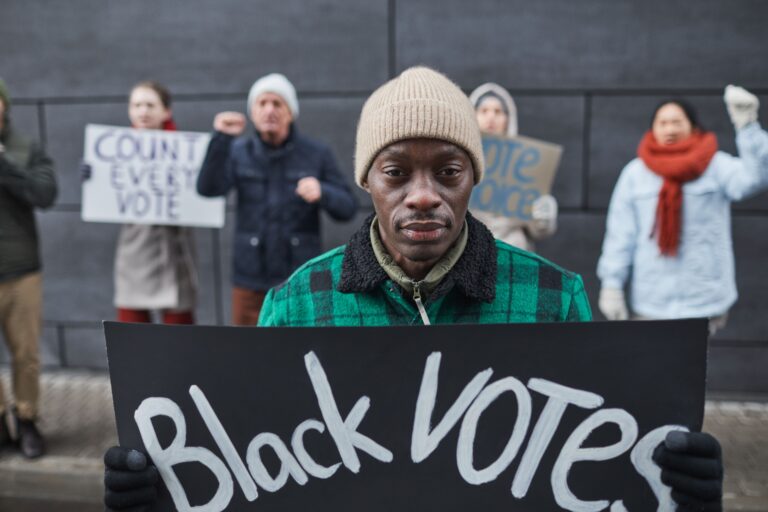
The election also underscores pressing social issues, including racial equality, gender rights, and voting access. Debates on policing reforms, education equity, and immigration policies highlight the broader quest for an inclusive society.
Voter rights, in particular, have become a contentious subject, with candidates addressing concerns over election security and accessibility.
Election Process and Timeline
The 2024年美国总统选举 follows a well-established process, beginning months before the November general election.
Primary Elections and Caucuses
Throughout early 2024, states hold primary elections and caucuses where party members select their preferred presidential candidate. These contests determine delegate counts, ultimately leading to party conventions where nominees are formally chosen.
Party Conventions
During the summer, the Democratic and Republican parties hold national conventions. Here, delegates officially nominate their candidates and outline their party platforms. These events also serve as major opportunities for candidates to rally support.
The General Election
On Election Day, held in early November, registered voters cast ballots for their preferred candidate. The U.S. uses an Electoral College system, meaning the popular vote in each state determines electors who then vote for the president. A candidate must secure at least 270 of 538 electoral votes to win.
Inauguration Day
The new president is sworn into office on January 20, 2025. This ceremony marks the official start of the presidential term.
What Voters Should Know and Consider
As the 2024年美国总统选举 approaches, voters should stay informed and engaged. Evaluating candidates’ histories, policy positions, and leadership qualities is essential to making an informed choice.
Practical steps include:
- Following multiple news sources to avoid bias.
- Participating in local political discussions and forums.
- Understanding the electoral process and registration deadlines.
- Reviewing candidates’ stances on issues that matter personally.
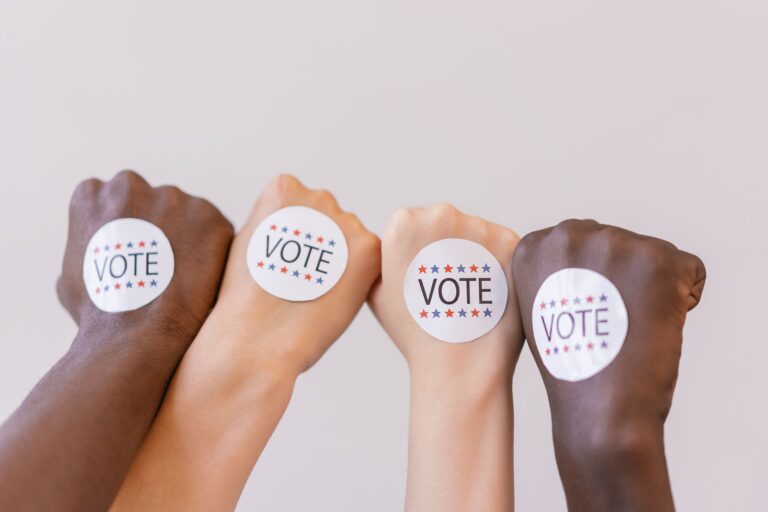
Voting is a fundamental democratic right and an opportunity to shape America’s future direction.
Frequently Asked Questions
When is the 2024 U.S. presidential election?
The general election is scheduled for Tuesday, November 5, 2024. Primary elections and caucuses take place earlier in the year.
Who are the main candidates in the 2024 election?
The primary candidates usually come from the Democratic and Republican parties. The specific nominees emerge after the primary season and party conventions in mid-2024.
How does the Electoral College work?
Each state has a set number of electors based on population and representation in Congress. Voters choose electors by voting for presidential candidates. To win, a candidate needs a majority of 270 out of 538 electoral votes.
Can third-party candidates win the presidency?
While it is rare for third-party or independent candidates to win the presidency, they can influence the election by shaping debates and affecting vote distributions between major candidates.
What are the most important issues in the 2024 election?
Key issues include the economy and inflation, healthcare reform, climate change, social justice, and voting rights. Candidates’ policies on these subjects significantly impact voter decisions.
About the Author