Brazil stands as the largest economy in Latin America and one of the most influential emerging markets globally. For decades, its business environment has been a focal point for investors, corporations, and policymakers aiming to tap into its vast resources, diverse industries, and growing consumer base. This article offers a comprehensive exploration of the latest developments in brazil business news, highlighting key sectors, economic trends, regulatory changes, and international trade dynamics that shape the country’s commercial landscape.
Current Economic Landscape of Brazil
Brazil’s economy has stabilized after years of volatility influenced by political challenges, global commodity price swings, and domestic structural reforms. As of 2024, the country is experiencing moderate but sustained growth, driven by agricultural exports, manufacturing, and services.
According to the Brazilian Institute of Geography and Statistics (IBGE), the GDP growth rate for the previous year hovered around 2.5%, signaling recovery from the impacts of the COVID-19 pandemic. Inflation, a persistent concern for Brazilian businesses, remains under control but continues to require careful monitoring by the Central Bank of Brazil through monetary policies.
Key Economic Indicators
The unemployment rate, although still above the pre-pandemic levels, has gradually improved, helping to boost consumer spending. Foreign direct investment (FDI) inflows are also recovering, reflecting renewed international confidence. The Brazilian real, while fluctuating against the US dollar, remains a critical factor influencing import-export balances and corporate profitability.
Sectoral Highlights: Where Brazil Business News Is Focused
Agriculture and Agribusiness
Brazil’s agricultural sector is globally recognized for its scale and efficiency. It leads in the production and export of soybeans, coffee, sugar, beef, and poultry. Recent Brazil business news highlights include innovations in sustainable farming practices and biotechnology, which aim to increase yields while reducing environmental impacts.
Companies like JBS SA and BRF SA continue to expand their export markets, particularly to Asia and the Middle East. Government initiatives supporting agribusiness infrastructure, such as logistics improvements for transportation of goods to ports, are also noteworthy developments.
Energy and Natural Resources
Energy remains a cornerstone of Brazil’s economy, with the country leveraging its rich natural resources including oil, natural gas, and hydroelectric power. Petrobras, Brazil’s state-controlled energy giant, plays a pivotal role in exploration and production efforts in offshore pre-salt oil fields.
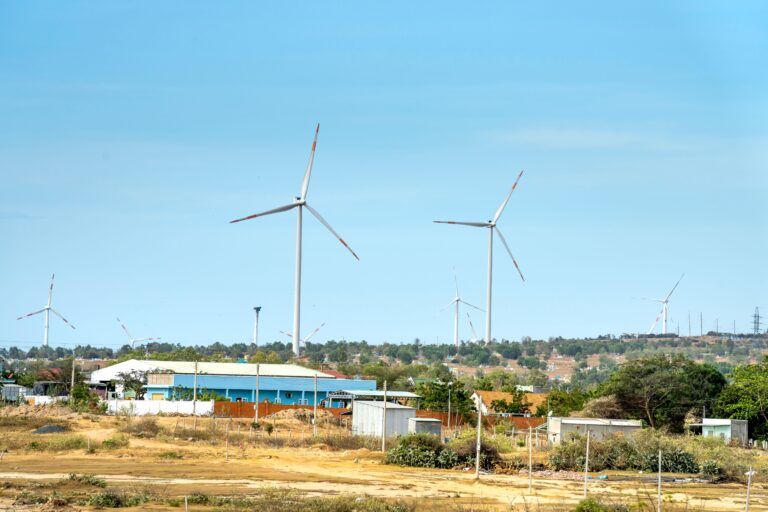
Additionally, Brazil is making strides in renewable energy, particularly wind and solar power. The government’s auction system for renewable energy projects has attracted significant investment, signaling a transition towards a more sustainable energy mix.
Technology and Innovation
Brazil’s tech industry, especially in São Paulo and Florianópolis, has gained momentum, becoming a regional hub for startups and innovation. E-commerce, fintech, and software development are some of the fastest-growing segments.
Brazil business news frequently covers collaborations between established multinational corporations and local startups, which enhance digital services, financial inclusion, and logistics solutions. Investments in 5G infrastructure and digital transformation projects across various industries underscore the growing importance of technology in Brazil’s economic future.
Manufacturing and Industrial Growth
The manufacturing sector in Brazil is diverse, spanning automotive, aerospace, chemicals, and consumer goods. Despite some structural challenges such as labor costs and infrastructure deficiencies, recent policy reforms have aimed to improve competitiveness.
Notable in recent Brazil business news is the resurgence of automotive production, supported by partnerships with global carmakers and the introduction of electric vehicle models. Industrial centers in states like São Paulo and Minas Gerais remain vital to Brazil’s export-oriented strategies.
Business Environment and Regulatory Framework
Brazil’s business environment has traditionally faced criticism for its bureaucracy, complex tax system, and regulatory hurdles. However, ongoing reforms seek to address these issues, fostering a more business-friendly climate.
Tax Reforms and Simplification Efforts
One of the most anticipated changes is the proposed overhaul of Brazil’s convoluted tax system. The introduction of a unified tax code aims to simplify compliance for businesses, reduce litigation, and enhance transparency, potentially attracting more foreign investments.
Labor Market Reforms
Changing labor laws to provide greater flexibility for employers without undermining workers’ rights has been a contentious but important aspect of Brazil’s economic reform agenda. These changes aim to boost productivity and employment levels.
Environmental and Social Governance (ESG) Trends
Environmental regulations have gained prominence in Brazil, especially concerning the Amazon rainforest and sustainable resource management. Companies operating in Brazil are increasingly integrating ESG principles into their strategies to meet both regulatory requirements and international investor expectations.
International Trade and Brazil’s Role in Global Markets
Brazil’s position as a key player in global trade flows remains robust, powered by its export commodities and growing manufactured goods sector.
Trade Agreements and Geopolitical Considerations
Brazil is an active member of Mercosur, the South American trade bloc, and is pursuing expanded trade relationships beyond the region. Discussions around potential agreements with the European Union and Asian partners like China and India have been ongoing, with the goal of reducing tariffs and facilitating smoother trade.
The geopolitical landscape, including relations with the United States and China, has significant impacts on Brazil’s trade policies and business environment.
Export Market Diversification
While China remains Brazil’s largest trading partner, efforts to diversify export destinations include expanding into Africa and the Middle East. This diversification strategy aims to reduce reliance on any single market and improve resilience against global economic shocks.
Challenges and Risks in Brazil’s Business Environment
Despite the positive trends, Brazil business news regularly highlights risks such as political uncertainty, inflationary pressures, and infrastructure bottlenecks. CNBC business news
Corruption concerns and judicial unpredictability can pose challenges for businesses navigating regulatory compliance and contract enforcement. Additionally, logistical challenges, including port congestion and inadequate road networks, affect supply chain efficiency and operational costs.
Outlook: What to Expect in Brazil Business News Moving Forward
Brazil’s future business environment will likely be shaped by continued economic reforms, technological advancements, and global market integration. Areas such as green technology, digital services, and agribusiness innovation are poised for growth.
Investors and business leaders should remain attentive to political developments and evolving regulatory policies, which will influence the speed and scale of economic progress. The country’s demographic trends, with a large young population, present opportunities for expanding consumer markets and workforce development.
Overall, Brazil continues to present a dynamic and complex business landscape, rewarding those who approach it with strategic insight and adaptability.
Frequently Asked Questions
What are the main sectors driving Brazil’s economy?
Agriculture, energy, manufacturing, and technology are the primary sectors driving Brazil’s economic growth. Agribusiness, in particular, remains a global leader, while renewable energy and tech innovation are growing rapidly.
How is Brazil addressing its business regulatory challenges?
The Brazilian government is implementing tax reforms, labor law adjustments, and efforts to reduce bureaucracy to create a more conducive environment for business operations and foreign investment.
Who are Brazil’s key international trading partners?
China is Brazil’s largest trading partner, followed by the United States and the European Union. Brazil is also expanding trade relations with countries in Asia, Africa, and the Middle East.
What impact does political stability have on Brazil’s business environment?
Political stability is crucial for maintaining investor confidence and economic growth. Political uncertainty can lead to delays in reforms and increased risks for businesses operating in Brazil.
How is Brazil incorporating sustainability into its business practices?
Brazil is increasingly focused on environmental and social governance (ESG), with companies adopting sustainable resource management, reducing emissions, and supporting conservation efforts, especially related to the Amazon rainforest.
About the Author