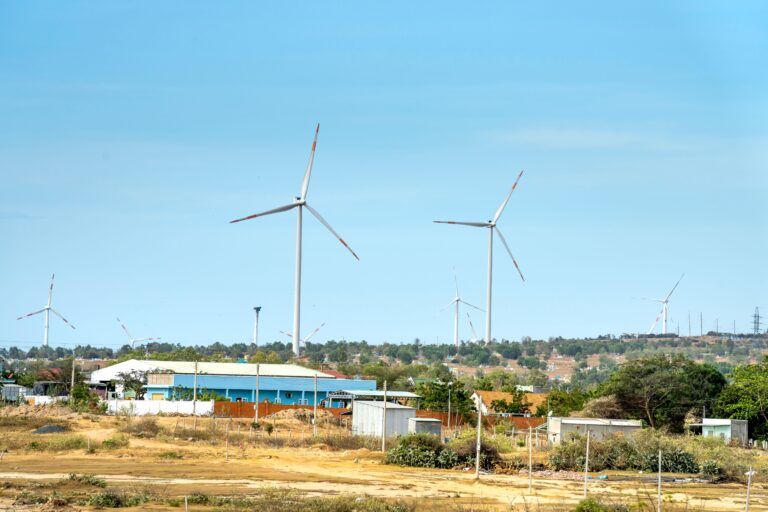
Amid Iowa’s rolling plains and vast cornfields lies an unexpected landmark — the iowa nuclear power plant. While the state is widely recognized for its agricultural prowess and wind energy leadership, its nuclear facilities play a critical role in delivering reliable, carbon-free power to millions of residents. Beyond its technical significance, the Iowa nuclear power plant also offers a unique window into the intersection of energy innovation, public safety, and regional tourism. This article delves into the history, operation, and community impact of Iowa’s nuclear power, unpacking why it matters for travelers, energy enthusiasts, and environmental advocates alike.
Overview of the Iowa Nuclear Power Plant Landscape
Iowa is home to the Duane Arnold Energy Center, the state’s sole nuclear power plant. Located near Palo in Linn County, this facility has been a cornerstone of Iowa’s power generation since it began operations in 1974. While small compared to nuclear plants in other states, Duane Arnold has provided approximately 20% of Iowa’s electricity at its peak, serving as a steady, carbon-free energy source.
The plant operates a single boiling water reactor (BWR), which uses nuclear fission to produce steam that drives turbines generating electricity. The reactor is designed with multiple safety systems, including emergency core cooling and containment structures, ensuring robust protection for workers and surrounding communities.
Historical Context and Development
Construction of the Duane Arnold Energy Center began in 1968 during a nationwide push toward nuclear power amid rising energy demands. Named after Duane Arnold, a notable Iowa businessman and former chairman of MidAmerican Energy Company, the plant was envisioned as a way to diversify Iowa’s energy portfolio. The facility was completed ahead of schedule and began delivering electricity in 1974, symbolizing Iowa’s commitment to embracing advanced energy technologies.
Over the decades, the plant has undergone numerous upgrades to improve safety and efficiency. These enhancements reflect evolving regulatory standards and technological advances, underscoring the plant’s ongoing relevance within Iowa’s energy ecosystem.
Operational Significance of the Iowa Nuclear Power Plant
The Duane Arnold Energy Center provides several key benefits to Iowa’s electrical grid and broader community:
Reliable and Carbon-Free Energy Source
Nuclear power stations like Duane Arnold operate continuously, unaffected by weather fluctuations that can challenge solar and wind resources. This reliable baseload power complements Iowa’s wind farms, helping stabilize the grid and reducing dependence on fossil fuels. Notably, the plant generates electricity with zero greenhouse gas emissions during operation, aligning with climate action goals.
Economic and Employment Impact
The plant supports hundreds of skilled workers, from engineers to technicians, contributing to Linn County’s economy. Jobs at the nuclear plant are typically well-compensated and require specialized training, fostering workforce development in high-tech fields. Additionally, the facility generates significant tax revenues that aid local infrastructure and public services.
Emergency Preparedness and Community Relations
Public safety is paramount at the Iowa nuclear power plant. The site’s operators collaborate closely with local, state, and federal agencies to maintain emergency preparedness plans, conduct regular drills, and communicate openly with residents. These efforts help build community trust and ensure readiness should any incident occur.
Visiting the Iowa Nuclear Power Plant: What Travelers Should Know
While the Duane Arnold Energy Center is a secure facility not open for casual tourist visits, its presence offers various opportunities for learning and exploration related to nuclear energy and science in Iowa.
Educational Outreach and Tours
The plant’s management occasionally hosts scheduled educational tours for school groups, university students, and specialized visitor programs. These tours provide insights into nuclear physics, facility operations, and safety measures. Interested travelers and educators should check the MidAmerican Energy website or contact local tourist centers for upcoming events or group visit opportunities.
Nearby Attractions Worth Visiting
Palo and the surrounding Linn County offer several attractions to complement a visit centered around energy and technology:
- Indian Creek Nature Center: This 445-acre preserve highlights Iowa’s native ecosystems and sustainable practices.
- Cedar Rapids Museum of Art: Featuring works by renowned artists, this museum offers a cultural counterpoint to scientific exploration.
- Palace Theatre: An historic venue in Cedar Rapids hosting live performances and community events.
Combined with an educational focus on energy, these stops help visitors experience a well-rounded view of Iowa’s natural and cultural heritage.
The Future of Nuclear Power in Iowa
Given the Duane Arnold Energy Center’s planned decommissioning after decades of service, Iowa faces critical decisions about its nuclear power future. The plant ceased operations in 2020, and efforts to manage its spent fuel and site restoration are underway. However, the energy landscape is dynamic, and discussions continue regarding the role of advanced nuclear technologies or small modular reactors (SMRs) to potentially revive nuclear generation in the state.
As Iowa expands its renewable energy portfolio, the integration of nuclear power or future innovations may remain essential to balancing energy security, environmental sustainability, and economic growth.
Balancing Energy Needs and Environmental Goals
Iowa’s leadership in wind energy sets a high bar for clean electricity, yet nuclear power offers complementary advantages, such as consistent output and grid stability. Policy makers, energy companies, and communities must collaborate to craft strategies that combine renewable and nuclear solutions wisely, ensuring resilient and affordable power supply for future generations.
Advancements in Nuclear Technology
Emerging technologies, including SMRs, promise safer, smaller-scale nuclear power plants that could revitalize interest in nuclear energy across the Midwest. These innovations aim to reduce costs, increase flexibility, and enhance safety protocols — characteristics well-suited for states like Iowa with mixed energy demands.
Conclusion
The Iowa nuclear power plant stands as a significant chapter in the state’s energy story. From its decades of reliable service at the Duane Arnold Energy Center to the evolving conversations about nuclear’s future role, this facility embodies the challenges and opportunities inherent in producing clean, dependable power. For travelers and residents alike, understanding Iowa’s nuclear legacy enriches appreciation for the complex systems lighting our homes and powering our economy.
Whether through education, local tours, or thoughtful engagement with energy policies, exploring the Iowa nuclear power plant offers a valuable perspective on how innovation, community, and sustainability intersect in the heartland. Lonely Planet travel guides
Frequently Asked Questions
What is the name of the nuclear power plant in Iowa?
The only nuclear power plant in Iowa is the Duane Arnold Energy Center, located near Palo in Linn County.
Is the Iowa nuclear power plant still operational?
The Duane Arnold Energy Center ceased operations in 2020, and the site is currently in the process of decommissioning and spent fuel management.
Can visitors tour the Iowa nuclear power plant?
While the plant is not open for general public tours, educational groups and students may arrange visits through special programs coordinated by the plant or associated educational organizations.
How significant is nuclear power to Iowa’s overall energy mix?
At its peak, the Duane Arnold Energy Center supplied approximately 20% of Iowa’s electricity, serving as a backbone of carbon-free baseload power complementing wind and other renewables.
What is the future outlook for nuclear power in Iowa?
Although the Duane Arnold plant has closed, there is ongoing interest in advanced nuclear technologies like small modular reactors, which could provide nuclear energy solutions adapted for Iowa’s evolving energy needs.
About the Author