Portland, Oregon, has long been known for its vibrant culture, scenic landscapes, and progressive spirit. Yet in recent years, the city has found itself grappling with a complex set of issues that have drawn national and international attention. From economic shifts and urban development challenges to protests and environmental initiatives, Portland is navigating a multifaceted landscape. This article explores what is going on in Portland, Oregon, by examining key developments across social, economic, political, and cultural spheres.
The Socio-Political Environment: Navigating Challenges and Change
Protests and Civic Engagement
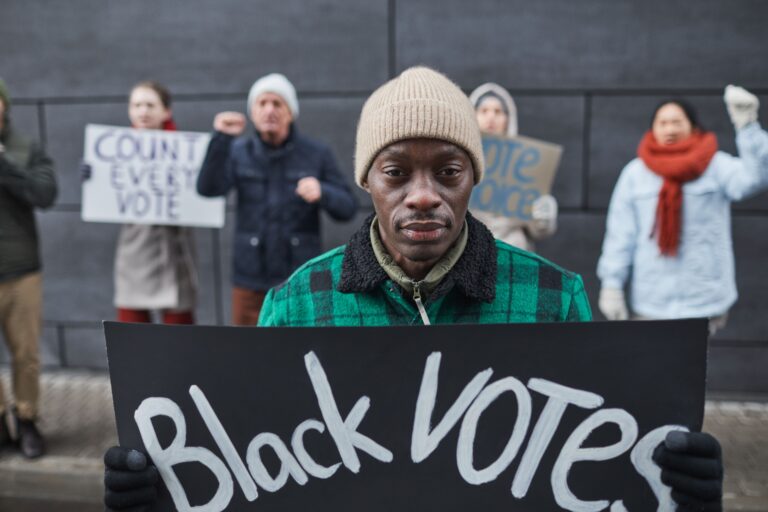
Portland has been a focal point for civic activism, especially since 2020. The city witnessed some of the longest-running demonstrations related to racial justice and police reform. While the intensity of protests has decreased, the underlying issues remain a subject of public discourse. Community leaders and activists continue to push for equitable policies, increased transparency in law enforcement, and improved public safety strategies.
Recent efforts include city council meetings focused on reforming the Portland Police Bureau and initiatives to increase community policing. However, tensions persist, and the challenge remains in balancing public safety with civil liberties—a theme widely debated among Portland residents.
Political Landscape and Local Governance
Portland’s political scene is characterized by progressive leadership that often advocates for environmental sustainability, affordable housing, and social justice. The city’s government has recently enacted measures aimed at reducing carbon emissions and addressing homelessness, yet implementation faces obstacles such as budget constraints and regulatory complexities. Sports Illustrated
In local elections, progressive candidates often dominate, reflecting the city’s generally liberal voter base. However, there is an increasing push for pragmatic solutions that address immediate urban issues such as transportation infrastructure and public safety.
Economic Trends: Recovery, Growth, and Challenges
Post-Pandemic Economic Recovery
Like many urban centers, Portland’s economy took a hit during the COVID-19 pandemic, particularly in the hospitality, retail, and service sectors. However, recovery has been underway thanks to vaccination campaigns, federal stimulus support, and the gradual return of tourism.
Small businesses are reopening, and new startups, especially in the tech and green energy sectors, are contributing to economic diversification. The city’s robust creative industries—including art, music, and design—are also witnessing a revival, drawing locals and tourists alike.
Housing Market and Urban Development
The housing market in Portland remains a significant concern for both residents and policymakers. Rising home prices and rental rates have priced out many long-term residents, fueling debates about affordability and displacement. Efforts such as upzoning and increased funding for affordable housing projects have been introduced but have met both support and resistance.
Urban development projects are aiming to reshape neighborhoods with a focus on sustainability and transit-oriented design. However, community input remains critical as some fear gentrification could alter the city’s cultural fabric.
Cultural and Environmental Initiatives Shaping Portland’s Future
Portland’s Cultural Renaissance
Despite challenges, Portland’s cultural scene remains vibrant and resilient. The city’s renowned food culture, craft breweries, and art galleries continue to thrive. New festivals and events celebrating diversity and local talent have gained popularity, fostering community connection and economic opportunities.
Moreover, Portland’s commitment to the arts is evident through public art projects and support for grassroots cultural organizations. These efforts contribute to the city’s identity and attract visitors who seek authentic cultural experiences.
Environmental Leadership and Sustainability Efforts
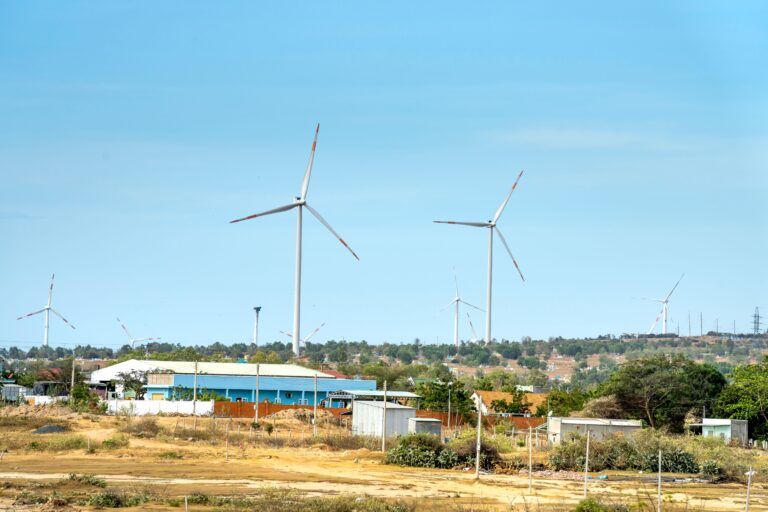
Portland has long championed environmental sustainability and is at the forefront of innovative green policies. The city aims to become carbon neutral by 2050, with programs focusing on renewable energy, waste reduction, and sustainable transportation.
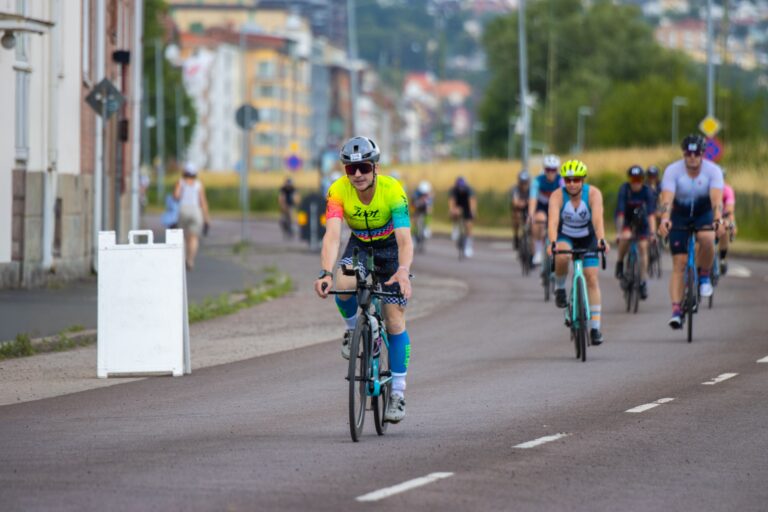
Portland’s investments in bike infrastructure, expanded public transit, and urban green spaces illustrate a comprehensive approach to environmental stewardship. Additionally, community initiatives promoting urban gardening and conservation reflect grassroots enthusiasm for sustainable living.
Public Safety and Community Well-Being
Crime Trends and City Responses
Public safety remains a critical topic in Portland. While crime rates have fluctuated, concerns about property crime and homelessness-related issues have risen among residents and business owners. The city is working on multifaceted strategies that include enhanced policing, social services, and prevention programs.
Collaborations between community groups and city agencies focus on addressing root causes such as mental health and addiction. The goal is to create a safe environment that supports all residents without compromising on fairness and justice.
Homelessness and Housing Initiatives
Homelessness is among the city’s most pressing social challenges. Portland has implemented emergency shelters, supportive housing projects, and outreach programs to assist unhoused individuals. However, resource limitations and community concerns about encampments complicate these efforts.
The city is exploring innovative partnerships with nonprofit organizations to expand capacity and improve services. Addressing homelessness remains a priority tied closely to broader housing affordability and public health policies.
Looking Ahead: Portland’s Path Forward
What is going on in Portland, Oregon, is a complex interplay of challenges and opportunities. The city’s rich cultural heritage and environmental ethos provide a strong foundation for growth and innovation. However, persistent social issues, economic disparities, and governance hurdles require continued attention and collaboration among residents, leaders, and stakeholders.
Portland’s future will likely hinge on its ability to integrate progressive ideals with practical solutions that deliver tangible improvements in quality of life. As it moves forward, fostering inclusivity, resilience, and sustainability will be critical for the city to thrive in an evolving urban landscape.
Frequently Asked Questions
What recent social issues have affected Portland?
Portland has been impacted by ongoing discussions around racial justice, police reform, and homelessness. Protests in recent years brought attention to these issues, and debates continue regarding the best approaches to community safety and equity.
How is Portland addressing housing affordability?
The city is pursuing various strategies such as upzoning, increasing affordable housing funding, and supporting tenant protections. While progress has been made, the rising cost of living continues to be a significant concern for many residents.
What environmental initiatives is Portland implementing?
Portland aims to become carbon neutral by 2050, emphasizing renewable energy, expanded bike infrastructure, public transit improvements, and urban green spaces to promote sustainability and reduce environmental impact.
How is Portland’s economy recovering after the pandemic?
Economic recovery is underway with the reopening of small businesses, growth in tech and creative industries, and a gradual return of tourism. Federal support and community resilience have played pivotal roles in revitalizing the local economy.
What steps is Portland taking to improve public safety?
The city is balancing policing reforms with investments in social services, mental health, and addiction support to create safer neighborhoods. Collaboration between law enforcement and community groups is key to these efforts.
About the Author